
The Impact of Political Issues on Mental Health
DM
Understanding the Connection
The intersection of political issues and mental health is a complex and multifaceted area of study. Political climates can have a profound impact on individuals' mental well-being, often exacerbating stress, anxiety, and depression. Understanding this connection is vital for both mental health professionals and the general public.

How Political Unrest Affects Mental Health
Periods of political unrest can lead to heightened levels of stress and anxiety. For many, the uncertainty of political outcomes and policies can create a sense of helplessness and fear. This is particularly true for individuals whose rights or well-being are directly affected by political decisions.
During times of political tension, people might experience increased irritability, difficulty concentrating, and even sleep disturbances. These symptoms are often a direct response to the stress and uncertainty that accompany political instability.
The Role of Media
The media plays a significant role in shaping perceptions of political issues, and its influence on mental health cannot be overstated. Constant exposure to news, especially when it's negative or sensationalized, can increase feelings of anxiety and hopelessness.

It's essential to take breaks from the news cycle and limit exposure to distressing information. Engaging with media mindfully can help mitigate some of its negative effects on mental health.
Social Media and Its Impact
Social media platforms are a double-edged sword when it comes to political engagement. While they provide a space for discourse and activism, they can also be sources of misinformation and conflict. The often polarized nature of social media discussions can lead to increased stress and anxiety.
Being mindful of social media usage and engaging in constructive conversations can help manage its impact on mental health. It's also beneficial to follow a diverse range of perspectives to avoid echo chambers.
Building Resilience
Resilience is crucial in navigating the mental health challenges posed by political issues. Developing coping strategies can help individuals manage stress and maintain their well-being.
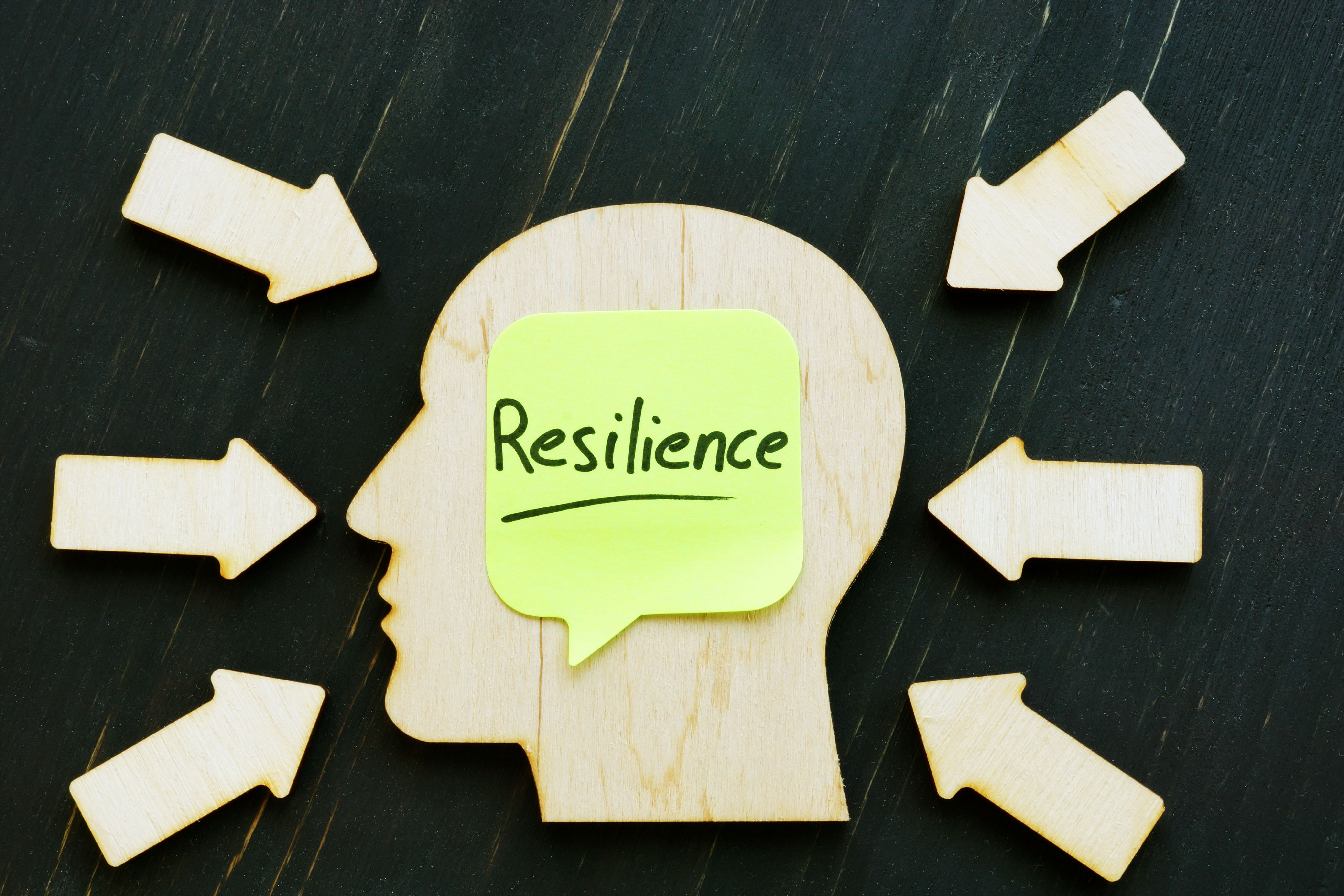
Some effective strategies include:
- Practicing mindfulness and meditation
- Engaging in regular physical activity
- Connecting with supportive communities
- Seeking professional help when needed
The Importance of Community Support
Community support networks play a vital role in helping individuals cope with political stress. Engaging with like-minded individuals and advocacy groups can provide a sense of belonging and empowerment.
These groups often offer a platform for sharing experiences and resources, helping individuals feel less isolated in their struggles.
Conclusion
The impact of political issues on mental health is an important consideration in today's world. By understanding the connection and implementing strategies to manage stress, individuals can better navigate the challenges posed by political climates.
Awareness and proactive measures can help build resilience and foster a healthier, more informed society.